Why do local governments struggle to mobilise and deploy capital to finance their climate transitions?
Addressing complex, underfunded climate issues is a challenge for cities everywhere. While increasing funds is key to the transition, unlocking finance isn’t just about volumes of money. It’s also about building the relationships, mindsets, information flows, and organisational muscle to allow funding to move to where it’s needed in the system.
CPI teamed up with the TransCap Initiative to develop a systemic approach to urban climate finance. Working with Dublin City Council, we explored what it would look like in practice to bridge the gap between climate ambition and financial reality.
“In a climate emergency, we need to be resourceful with what we have… Now we need to roll up our sleeves and make Dublin a leader in tackling vacancy and dereliction, maximising return on public and private investment to enhance Dublin’s resilience as a liveable city.”
Dennis Keeley
Assistant Chief Executive, Dublin City Council
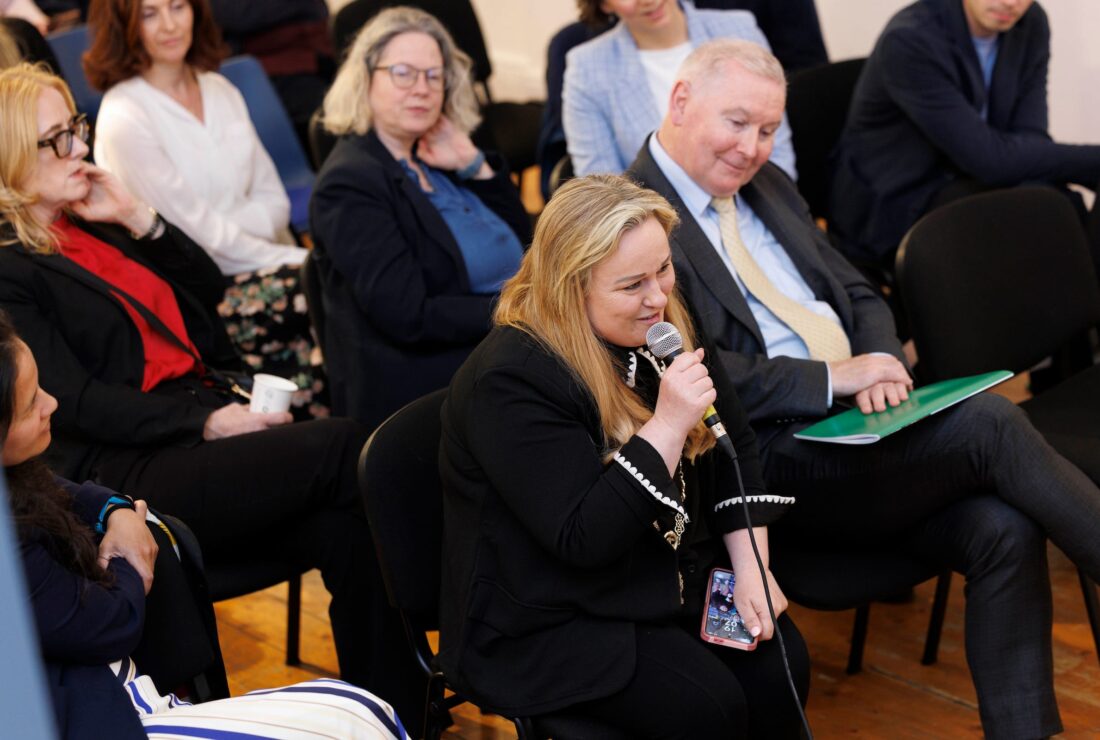
Partnering with Dublin
Dublin City Council (DCC) faced a critical challenge: how to finance urgently needed housing while simultaneously meeting statutory climate targets. With 63% of the city’s carbon emissions coming from the built environment, “business as usual” delivery models were no longer fit for purpose.
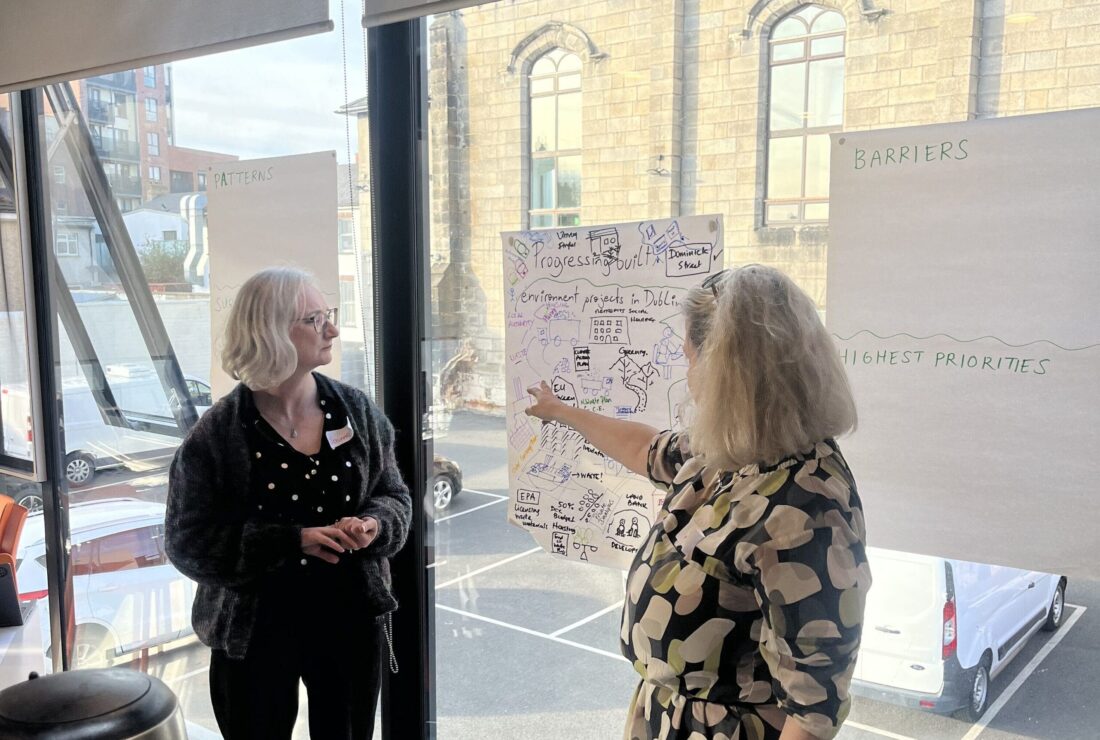
Together with DCC, we engaged over 90 individuals through workshops, interviews and events to understand the system around low-carbon housing in Dublin. We then focused on adaptive reuse of buildings for housing, tested whether funding was a key barrier, and co-created recommendations that address both financial and non-financial obstacles. DCC adopted the staged recommendations as policy in May 2026.
We learned that closing the urban finance gap through a systemic funding approach is less about inventing new financial instruments and more about rewiring the enabling conditions for action. This involves understanding who holds what levers of power, realigning incentives across stakeholders, and encouraging relationships and coordination across departments, levels of government, and sectors to allow resources to flow where they are urgently needed.
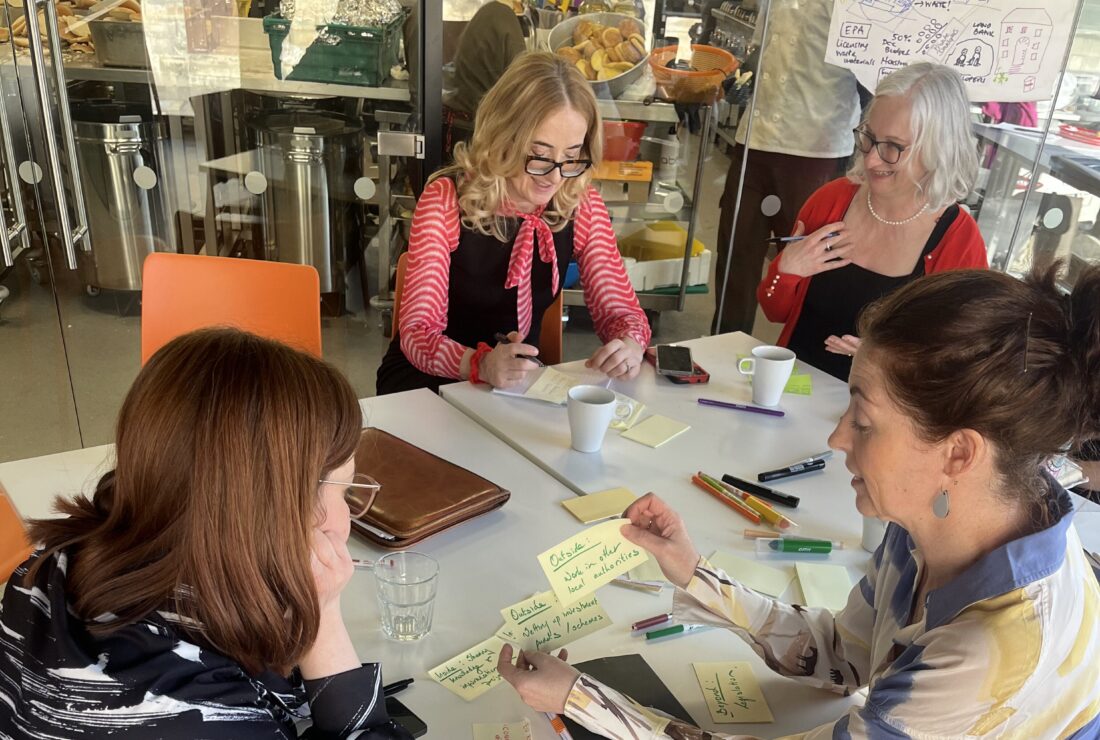
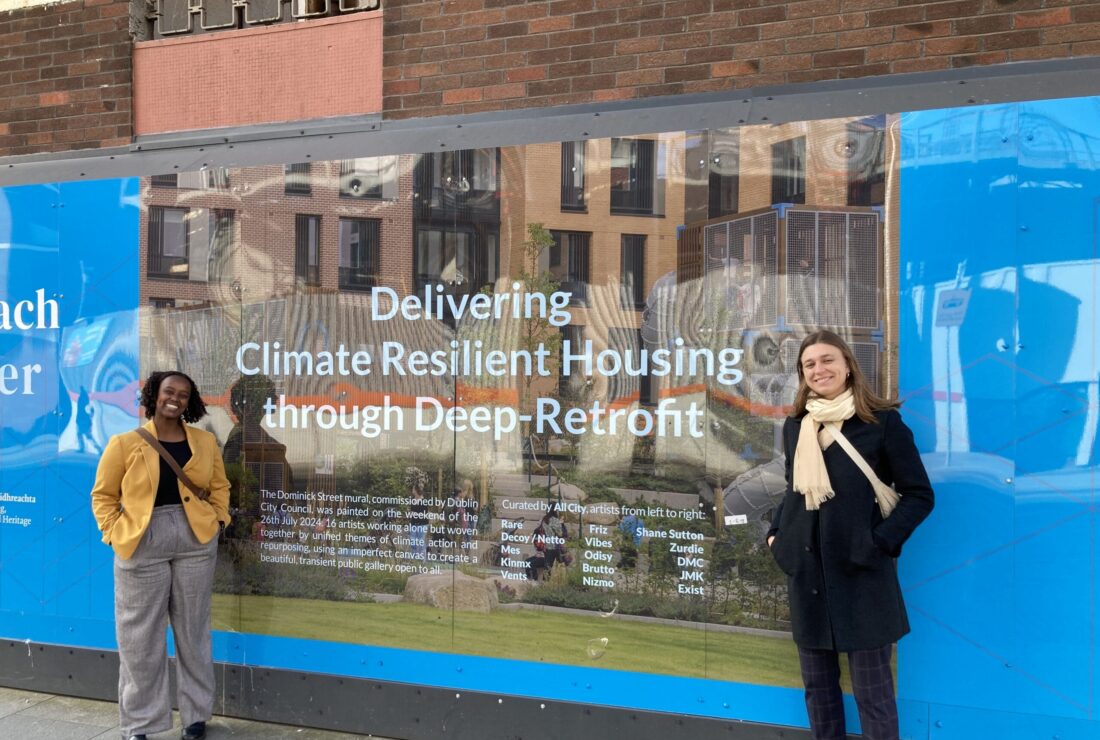
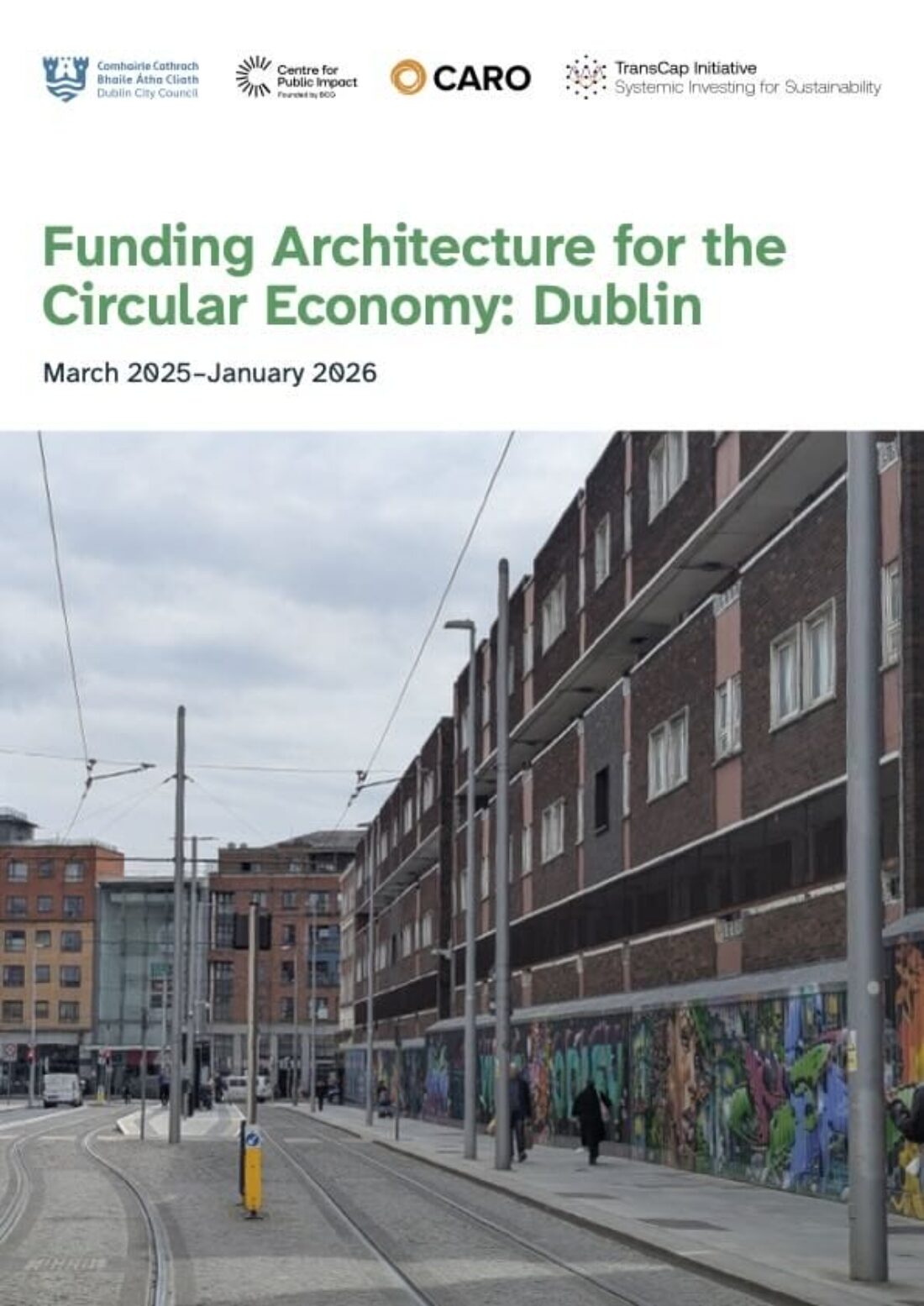
Funding Architecture for the Circular Economy
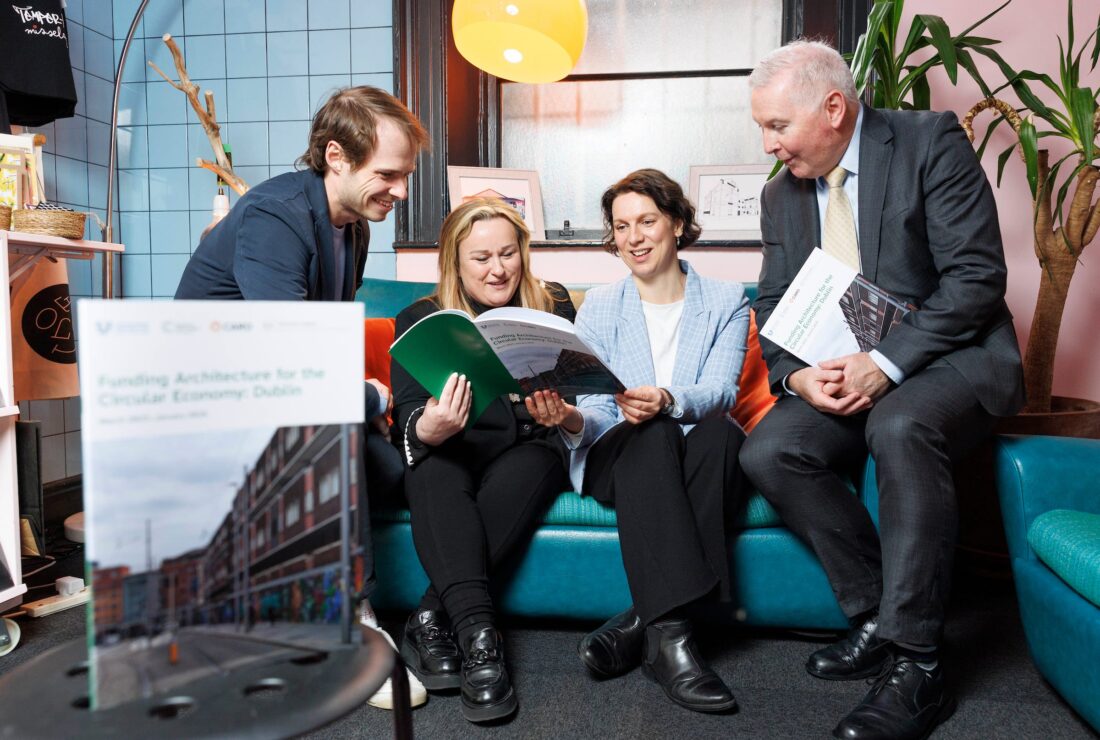
The FACE (Funding Architecture for the Circular Economy) report is the culmination of this work. It applies a systemic finance lens to establish a practical pathway to deliver adaptive reuse – repurposing existing buildings for new residential or community uses. Adaptive reuse of vacant commercial buildings and units could create up to 16,000 homes in Dublin, delivering immediate climate benefits by reducing embodied carbon, directly addressing dereliction, and fostering community pride.
FACE Dublin demonstrates what is possible when a city tackles complex challenges with boldness, self-awareness, and genuine collaboration.
Our work with DCC validated a critical hypothesis: to close the urban climate finance gap, supporting organisations must look beyond standard project design and capitalisation. We propose a more systemic form of technical assistance, one that helps cities address the root causes of their challenges by strengthening organisational capabilities in finance and collaboration, strategic intelligence, internal structures, relationships, and governance.