Local governments are struggling to meet their climate goals. The increasingly severe and unpredictable challenges of a changing climate – like extreme weather events or the need to reduce dependency on fossil fuels – cut across departments, sectors, and levels of government. At the local level, these impacts pose a core operating risk, and climate resilience is a concern for most residents – with 80% of people globally wanting their country to do more on climate change. Yet responses are managed by individual (often small) departments and initiatives, and are undermined by a lack of joined up approaches and shared priorities.
We asked: what if climate adaptation and mitigation were a routine, shared responsibility embedded into the culture and day-to-day work across municipal departments?
What we did
In partnership with local climate experts, Amy Armstrong and Nina Rogers, we designed and delivered a capability building program with Brighton Council, Tasmania, Australia and Dunedin City Council (Kaunihera a-rohe o Ōtepoti), Aotearoa New Zealand. This pilot went far beyond standard professional development by leveraging design thinking, leadership development, organisational change, and place-specific expertise.
Over eight months, the aim was to help council staff understand the opportunities a climate mainstreaming approach offers, identify and prioritise immediate improvements, unpack stubborn, complex barriers to mainstreaming, and deliver on each council’s vision for a thriving, climate-resilient place.
The programme guided cross-departmental teams of executives, senior leaders, and key staff through:
- An eight-session journey: The core program included a foundational in-person “Base-Camp” and online whole-group workshops. Topics ranged from mainstreaming tactics in the climate governance context and mapping current activities, to establishing systemic conditions for success and shifting organisational culture.
- Small-group coaching: Between whole-group sessions, participants received fortnightly coaching from the local climate expert on a specific challenge area. This connected educational topics directly to staff’s specific portfolios of work and surfaced learnings and shared challenges to bring into the whole-group workshops.
- Active experimentation: Moving beyond theory, participants were supported to identify and test new strategies for implementing climate mainstreaming into practice – addressing past barriers to action and co-creating more collaborative ways of working.
What happened
Capabilities improved: Both councils involved in the pilot reported improved capabilities in four key areas. Staff have:
- A stronger practical understanding of what municipal climate mainstreaming looks like in action, and why it’s valuable to all teams.
- Identified past barriers to action and developed new opportunities to try new climate mainstreaming approaches.
- Built a sense of shared momentum and commitment to climate mainstreaming across teams.
- Crafted clear, actionable, and contextually grounded next steps for individuals and teams.
Mindsets and relationships shifted:
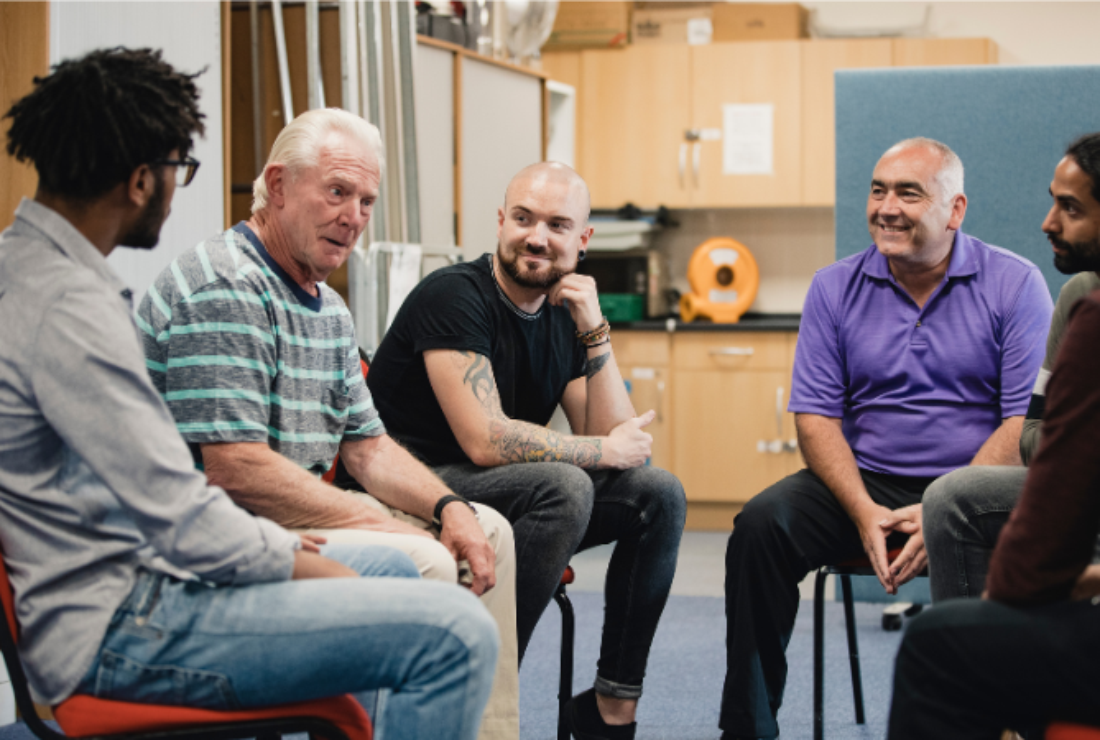
Mindsets changed. A senior finance officer reflected, “As we settled into the routine of the mainstreaming sessions and the pods, my idea of all this environment mumbo jumbo began to shift. The impacts on the environment no longer just sat with [our sustainability lead], it is linked through everything that we do. From asset planning, risk registers, capital projects and even community health and wellbeing. My eyes were open and I started to think, “how can I show up and do my bit?”
Culture shifted through awareness of what was going on and peer learning across the councils. Staff embraced the opportunity to work on actions with colleagues they typically didn’t interact with and improved their understanding of, and incentive to, collaborate. One participant’s key learning was “Recognising that culture, leadership, collaboration and shared understanding can have just as much influence as policies and technical solutions.”
Assumptions were challenged as more joined-up ways of working were established. A cohort participant sought the group’s help in framing a way to engage a notoriously difficult branch of a different department. After trying a new approach that included storytelling and appealed to shared priorities, she reflected, “I thought there would be pushback, but instead it was really well received.”
Organisational changes and new strategies have already been implemented:
- The CEO of one council added explicit climate goals as part of his own KPIs
- Progress updates on climate action initiatives is a new standing agenda item for cross-departmental meetings in both councils.
- New and improved processes were established for gathering and sharing climate related data and information. This included different approaches to informing elected representatives in anticipatory ways that supported their decision making.
- Collaborative, cross-departmental Learning Pods are continuing. They are building on early progress on stubborn issues like how to calculate the cost of inaction and how to successfully embed climate considerations into long-term planning and policy processes
- Increased support for, and subsequent approval of, a neighbourhood greening project to plant 11,000 trees!
Ultimately, improving coordination, connective capacity and shared responsibility for climate action saves time and money and has the potential to deliver better outcomes for residents.
The Chief Executive of the Committee for Greater Hobart attended the final workshop in Brighton. In an op-ed, he wrote
“[This pilot] moves action from specialist silos into everyday decisions about procurement, planning, budgeting, infrastructure and assets.
What struck me most in the workshop was the cultural and mindset shift. Climate resilience was increasingly understood not as a separate environmental program, but as core business for prudent management and community wellbeing.
Brighton Council chief executive James Dryburgh captured the opportunity: “So much of the work we need to do in this space will save money or improve financial sustainability over the long term and improve liveability and quality of life for our community.
[…] These examples from […] Brighton Council show world leading approaches on how we can prepare for a very different future climate, while building liveability and productivity for our communities.”
We are eager to support more local governments to build resilience champions, build council capabilities, and identify locally led actions to advance climate action within and across municipalities.