We know that most public problems are systemic, interconnected and therefore too complex for any single organisation to solve on its own. Yet most funding, programmes, and institutions are still designed as if they can.
The result is familiar: institutions working towards similar goals, tackling interconnected challenges, but doing it in silos. Not because they don’t value collaboration, but because they lack the time, incentives, or conditions needed to work together. And so the full potential for solving public problems — deeply and in the long term — slips away.
At the Centre for Public Impact, we’ve been exploring a different approach. Through CPI’s Collective, we’ve been testing how to build the right conditions for organisations to truly collaborate and not just coordinate, on complex public problems. To do this, we position collaboration as infrastructure: built on relationships, incentives, governance, trust, and a shared purpose that enables people and institutions to actually work together effectively.
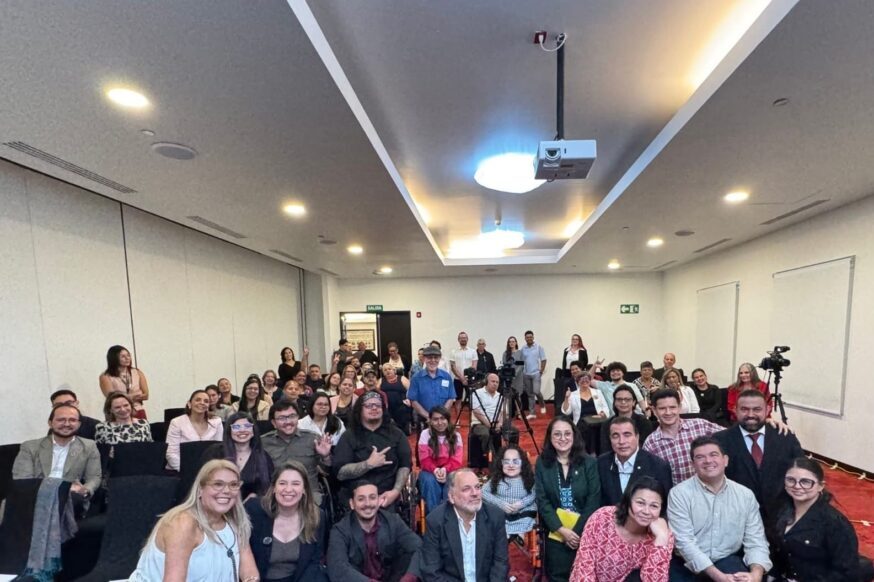
One example is CPI’s Collective Innovation for Democracy in Latin America (I4DLATAM), which brought together more than 15 organisations from six countries to strengthen democratic resilience across the region. Together, participants co-created and tested three democratic innovations in Colombia and Costa Rica. We shared the story behind these experiments in our guest blog, “Collaborative Governance for a Stronger Democracy,” and dug into lessons from them in our previous blog, “From Participation to Power: Lessons from Democratic Innovations in Latin America.”
In this final blog, we focus on some overarching questions: What is the infrastructure required to tackle deep public problems? And what conditions are required to strengthen collaboration?
What is CPI’s Collective?
As our knowledge partner, Thamy Pogrebinschi, puts it:
“They start with a problem that requires deep collaboration. Rather than functioning as traditional policy forums or decision-making bodies, CPI’s Collective operate as adaptive collaborative infrastructures that bring together diverse actors to build interventions to improve a shared public problem.”
At the core, CPI’s Collective is a structured space for collaborative problem-solving. Imagine it as a guided programme: we bring together people and institutions with different experiences, expertise, and institutional power to work on a shared public challenge.
It was originally designed to strengthen innovative governance and democratic systems in the Global South, where democratic resilience often depends on collaboration across fragmented institutions, territorial inequalities, and uneven state capacity. But the same model applies wherever public problems are too interconnected for any single organisation to tackle alone, and it can be replicated across topics and geographies, while remaining sensitive to local conditions.
And that’s the central idea: when problems are interconnected, the response needs to be interconnected too. You need the whole system at the table.
Why we created CPI’s Collective
CPI’s Collective emerged through working alongside practitioners and institutions across different systems and geographies, where we quickly learned about the challenges and strengths they face.
We repeatedly noticed how organisations were attempting to solve public problems in isolation. They valued collaboration as a means for creating better solutions by integrating diverse expertise and perspectives — but there were often few incentives or conditions that made it possible. At the same time, we kept encountering organisations doing complementary work that had never met or worked together.
These observations changed how we thought about our own role. We began to see ourselves less as experts with final answers, and more as weavers of the conditions and governance that help others find solutions to complex problems together. We didn’t want to reinvent the wheel. We wanted to weave from what already existed.
So we drew from what we know best — public and social innovation, design thinking, systems change, learning partnerships, and people-centred approaches — and started building a model that could do what none of those frameworks could do alone: create the conditions for organisations to genuinely work together towards a shared mission.
Building the conditions for collaboration
We grounded CPI’s Collective in themes essential to the development sector, which led us to develop our first pilot: “Enabling Collaborative Governance for Systemic Change.”
One of the most important insights from our first pilot was proving that collaboration does not happen simply because people agree it is valuable. It requires deliberate infrastructure and a shared purpose strong enough to hold diverse institutions together around a common public problem.
The strong results, including 7 experiments delivered by our fellows and tested in 6 countries across 4 continents, encouraged us to develop a second Collective. But they also taught us how to refine and adapt the model. We realised that if we wanted to deepen impact, we needed to move beyond working with individual practitioners and begin testing what happens when institutions collaborate around a shared public problem.
With this in mind, we began designing “Innovation for Democracy in Latin America” (I4DLATAM). Working in the region, we had identified a gap: democratic innovation was happening, but in fragments, without the connective tissue to scale or inform each other. We believed government innovation labs could be the entry point to bridge that gap.
But more than 70 conversations with leaders, practitioners, academics, civil society organisations, and government actors quickly challenged that assumption. Again and again, people pointed to the same reality: strengthening democratic resilience could not be the responsibility of governments alone. They all have a role to play. In fact, democratisation processes in Latin America have historically been shaped and driven by civil society, as documented by the LATINNO project.
Those conversations transformed CPI’s Collective. What emerged was not an initiative about government innovation labs, but a broader collaborative infrastructure that brought together government, civil society, academia, philanthropy, and regional institutions around shared public problems. And to navigate that landscape well — building on what already existed rather than starting from scratch, we invited Thamy Pogrebinschi, Senior Researcher at WZB Berlin Social Science Center and creator of LATINNO, to join us as our knowledge partner.
In many ways, this was the first act of collaboration. The programme itself was co-designed through a process of listening and adaptation.
The architecture of collaboration
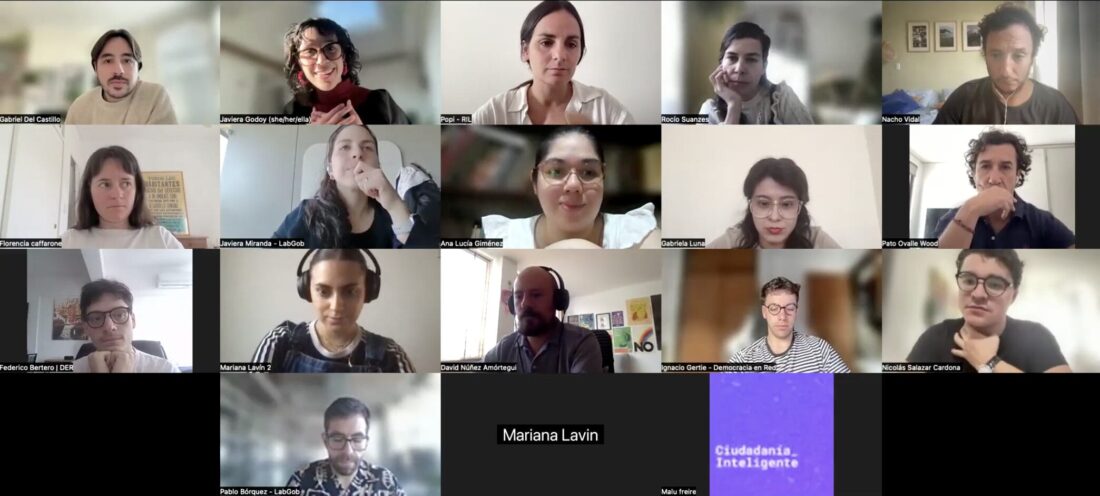
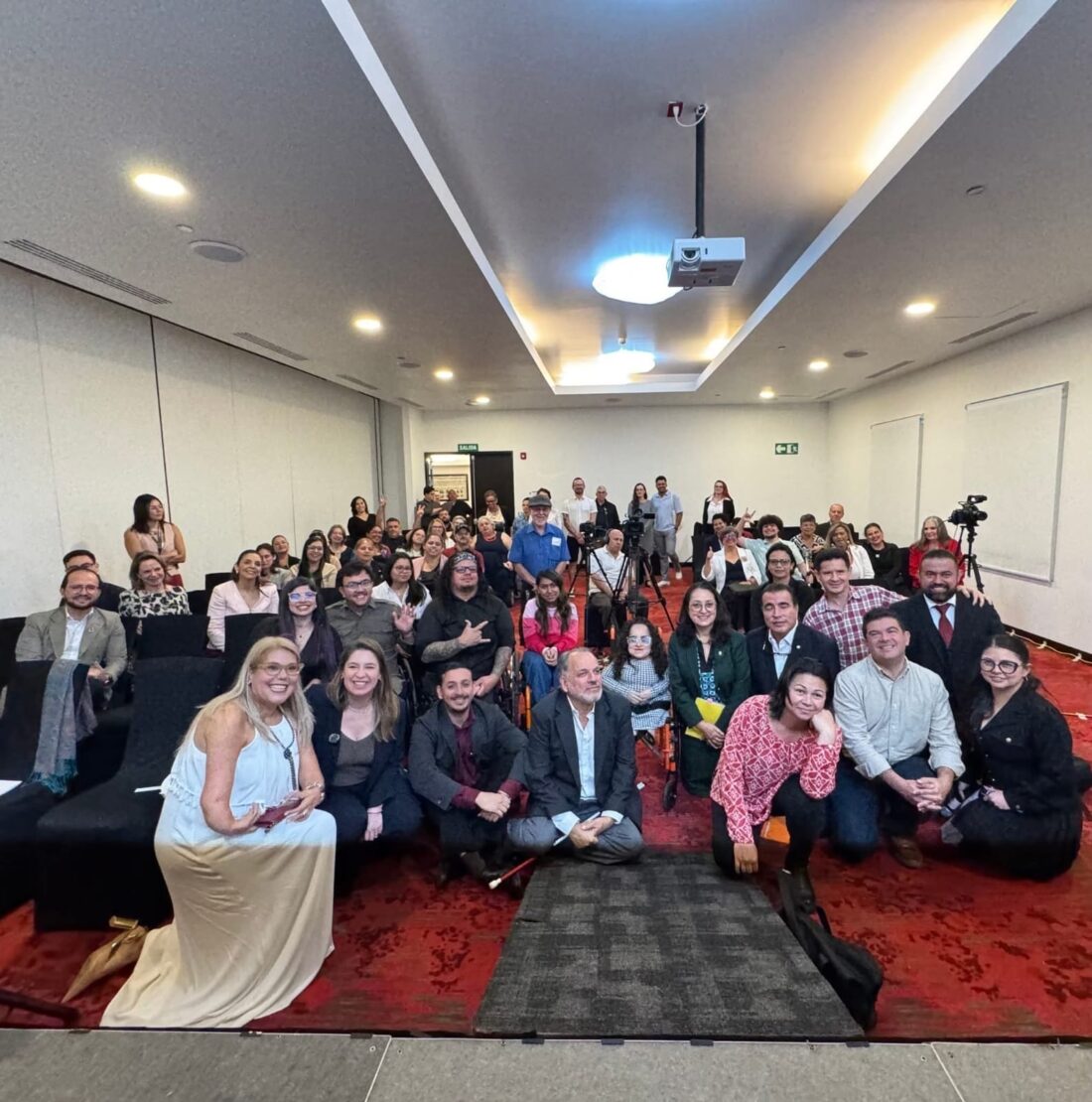
I4DLATAM ran over 18 months and brought together more than 15 institutions from Argentina, Brazil, Chile, Colombia, Costa Rica, and Paraguay. The programme followed five broad stages: scoping, learning, co-creation, implementation, and communication.
Each stage was designed to create a specific outcome:
- Scoping formed the ecosystem and identified pressing public problems worth tackling collaboratively.
- Learning created a common language across different sectors and experiences, and a shared understanding of the challenge.
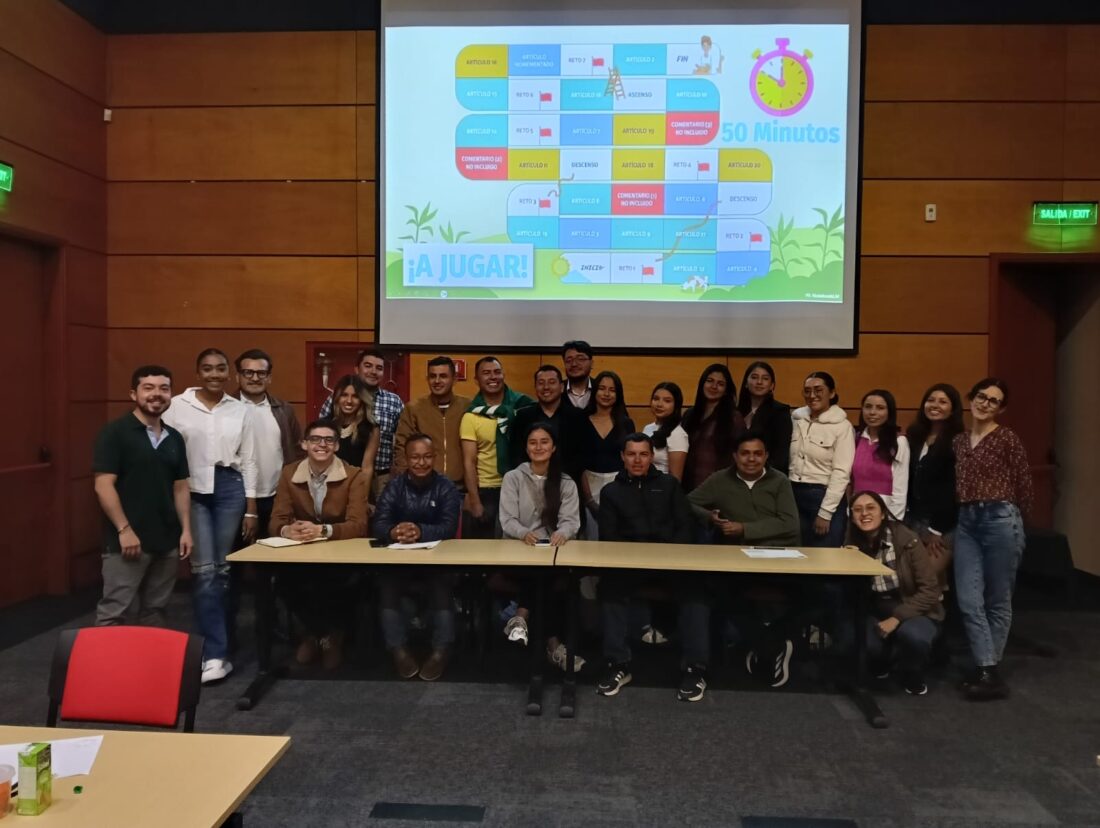
- Co-creation helped participants organise around shared democratic ends: accountability, political inclusion, and responsiveness, and develop concrete proposals for experiments.
- Implementation provided the resources and support needed to test ideas and develop democratic innovations (experiments).
- Communication ensured that lessons travelled beyond the cohort and into broader policy debates.
The process was supported by an experimentation fund that helped create the conditions for collaboration. Rather than asking organisations to contribute time and resources indefinitely, the seed fund was created to recognise and support the work and effort required to build something together.
The result was three collaborative democratic innovations that were tested in real-world contexts and are already informing larger conversations and interventions. For a deeper look at the experiments themselves, read From Participation to Power: Lessons from Democratic Innovations in Latin America.
What we learned about building collaborative infrastructure
Running two pilots taught us a lot. One major lesson is that collaboration doesn’t happen just because people want it to. It needs conditions, and creating those conditions is part of the work.
When designing the infrastructure, balance structure and flexibility
The most challenging aspect to get right is the balance between structure and adaptability. Structure creates clarity, accountability, and commitment, but too much can limit creativity and collaboration. Some of the most productive moments emerged when we adapted the initiative based on what was actually happening in the room, rather than on what the original design prescribed.
Invest in relationships
The quality of collaboration later in the programme was directly connected to the quality of relationships built at the beginning: Prioritise trust and relational work.
It’s tempting to rush through introductions and relationship-building when time is limited, but we learned the opposite. Check-ins, informal conversations, and opportunities for people to connect were central to the work.
Ensure that the cohort is diverse enough while having institutional anchoring. By including actors with implementation power, this infrastructure increases the likelihood that solutions influence policy and practice.
Create meaningful incentives
One of the clearest lessons was that collaboration requires investment.
Our experimentation fund became one of the strongest motivators throughout the programme. Participants also valued storytelling support, visibility, and opportunities to share and amplify their work.
The fund wasn’t simply financial support but a signal that the time, effort, and resources participants contributed mattered.
Recognise facilitation as infrastructure
Facilitation is often treated as a supporting function, but we came to see it differently.
Clear expectations, shared governance and clear roles, as well as conflict navigation, communication, and collective decision-making, are all forms of infrastructure that support successful collaboration. Some of the most important facilitation moments involved helping teams navigate difficult questions, ranging from governance arrangements to funding distribution.
Part of the convener’s job is to help organisations see where their missions overlap, where their work complements rather than competes, and where there’s enough common ground to build something together. Without this, even highly committed participants can struggle to collaborate effectively. Integrating knowledge systems with the support of Thamy Pogrebinschi, our knowledge partner, was also key in achieving this.
Design for reality, not ideal conditions
We quickly learned that collaborative programmes need to be designed for the realities people face, not the realities we wish existed. Government transitions, funding constraints, competing priorities, and organisational change are inevitable.
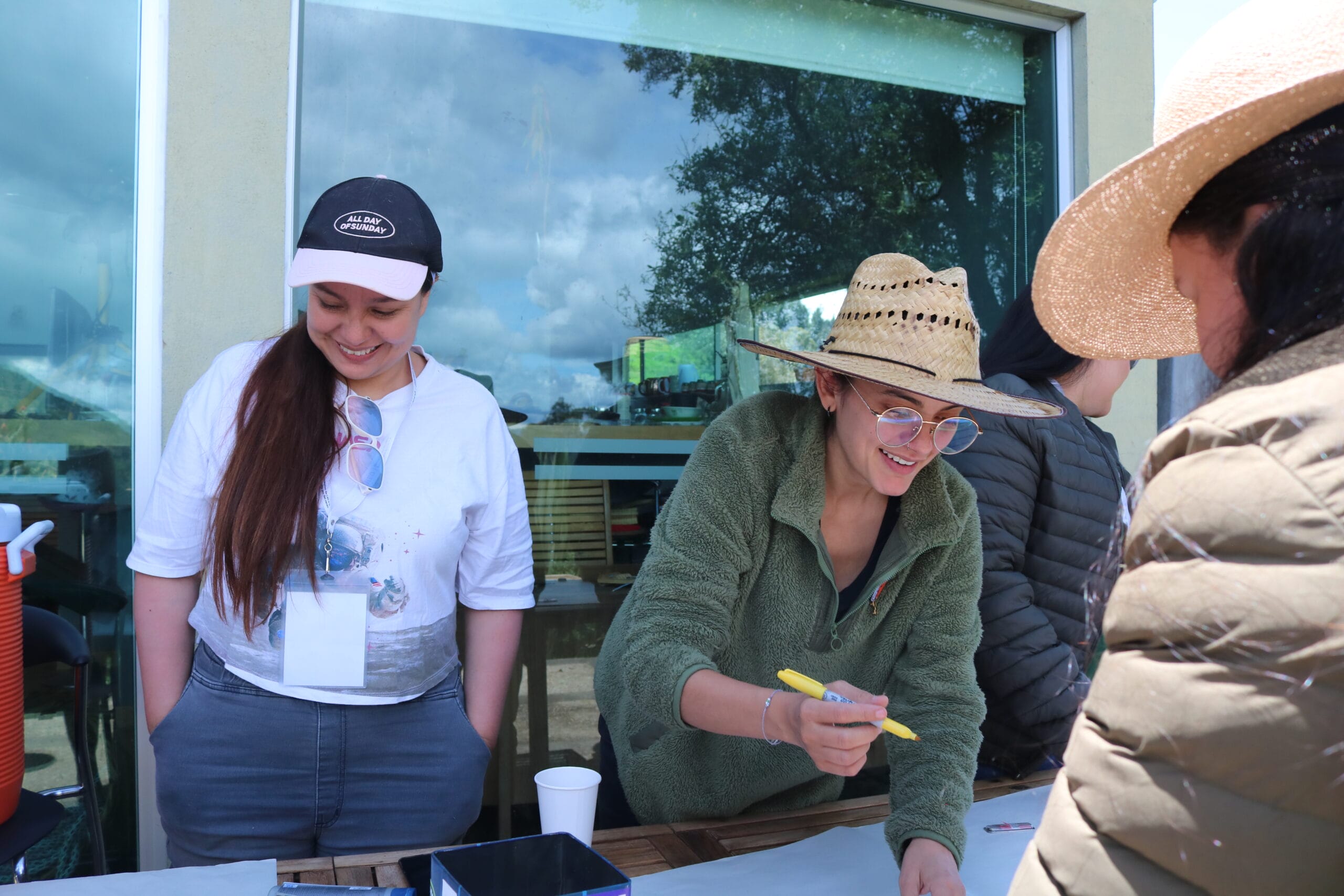
For example, we found that inviting more than one participant from each organisation made a significant difference. When one person became unavailable, the organisation could remain engaged. We also learned the importance of aligning programme rhythms with regional realities, including political cycles, budget periods, and holidays.
Ask teams to plan rigorously before they begin testing experiments, not to control, but to anticipate risk. A government partner stepping down mid-experiment, for example, can derail months of work.
And perhaps most importantly, we learned to protect the programme’s collaborative logic. As timelines tighten, collective processes naturally become more task-oriented. Sometimes that’s necessary, but it comes with trade-offs. Reconnecting people to that shared purpose on why we are here matters.
What does impact on collaborative infrastructure look like?
Two months out from closing our most recent Collective, the signals are already there, even if the full picture isn’t yet. Measuring the impact of collaborative infrastructure is not a straightforward task. Unlike a traditional project, the value often emerges through relationships, networks, capabilities, and opportunities that continue long after the programme has ended.
In just 18 months, the three I4DLATAM experiments:
- Engaged two national governments
- Partnered with 38 municipalities
- Developed and hosted 46 citizen participation spaces
- Collaborated directly with more than 150 citizens
- Proposed three concrete pathways to strengthen political inclusion for historically excluded groups, national government accountability by the use of AI and local government responsiveness connecting women rural leaders and women officials.
Just as importantly, organisations that had never worked together before built new relationships, shared knowledge, and developed innovations to improve public problems that couldn’t have been created alone.
Some teams are already using what they built to pitch new pilots and projects in different contexts. For us, this is one of the clearest indicators that the infrastructure continues to generate value beyond the programme.
Measuring this kind of change isn’t simple. Collective infrastructure is designed through a systems lens, which means its full impact often emerges over the medium and long term. That makes it difficult to point to quick, direct causal outcomes, but it’s the honest reality of this kind of work.
What gives us confidence is not that collaboration is inherently good, but that the public problems we’re trying to solve are too complex and interconnected for any single organisation to untangle alone. Bringing together diverse experiences across sectors and geographies enables more durable change than isolated experimentation can achieve.
Why collective infrastructure really matters, now
The challenges facing democracy, climate action, public services, health, and wellbeing are becoming increasingly interconnected and overlapping. However, our current institutions, funding models, and ways of working do not always reflect that reality.
Building collaborative infrastructure is not a silver bullet. It is often slower, messier, harder to measure, and requires a different funding mindset.
It rarely fits neatly into traditional funding models. It is not a single project with a single output. It is a process designed to generate many outcomes at different scales and timelines, often long after the programme itself has ended.
However, if the public problems we face are interconnected, then the initiatives we create to address them must also be interconnected and stem from a systems mindset. That means investing not only in projects and solutions, but also in the conditions and governance systems that enable people and institutions to work together effectively.
If you’re thinking about creating something similar, don’t just include diverse actors; genuinely co-create with them from day one. Make sure power is shared, and voices from the margins are structurally present. The rest of the methodology becomes much easier when those foundations are in place. In our experience, that’s where meaningful collaboration begins.
Before we close, we’ll let those who were there have the last word. At the end of the programme, we asked I4DLATAM participants to describe CPI’s Collective in their own words:
“A space for meeting, collaboration, and experimentation that allows democratic innovations to take root and flourish.”
“A collective of democratic entrepreneurs thinking about new ways of doing politics and improving the performance of our democracies.”
A group of partner organisations working to improve the quality of democracy in Latin America.”
This blog was written based on my experience developing and facilitating this 18-month collective journey. It was enriched by the insights, hard work, and generosity of colleagues, including Thamy, Gabriel, Mahreen, Juliana, Alejandra, Morag, Saumya, Naja, Aurélie, Bea, and many more. We are also immensely grateful to the fellow institutions that helped us shape CPI’s Collective I4DLATAM: +CostaRica, Democracia en Red, Politize!, Extituto de Política Abierta, Instituto Update, Democracia+, Ciudadanía Inteligente, Socialab Colombia, Huella Local, Laboratorio de Gobierno Chile, Red de Innovación Local, VelezReyes+.