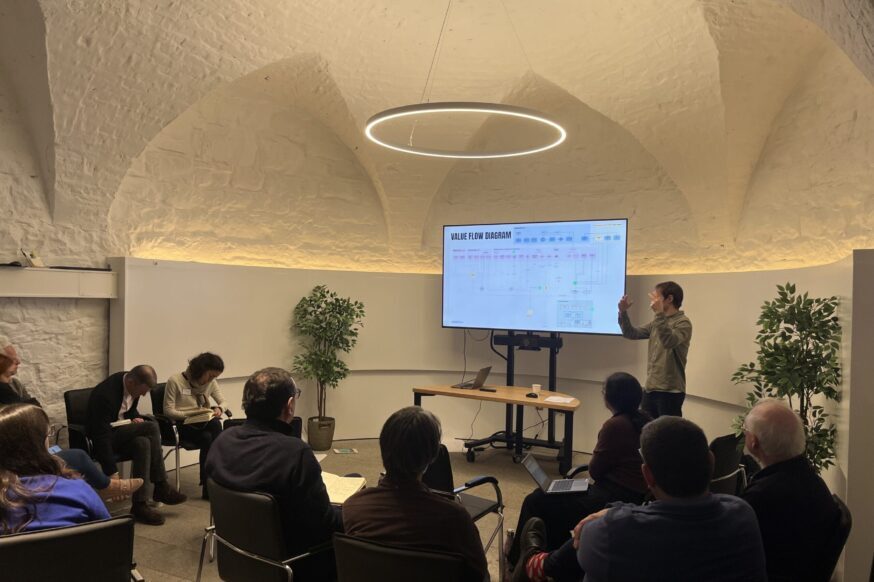
Cities around the world are under pressure to act on the climate crisis. Targets are becoming increasingly ambitious, but the pace of delivery and flow of funding often lags behind.
Two years ago, the Centre for Public Impact (CPI), the TransCap Initiative (TCI), and Climate-KIC collaborated to explore a question many city leaders will recognise: why do cities struggle to mobilise and deploy financial capital to fund their climate transitions?
This question spurred a research project to understand how to unlock real change in urban climate finance. We found that deep transformation requires a systemic approach – to finance, governance and organisational capacity.
From this, we developed the Systemic Funding Architecture (SFA) – a framework for cities grounded in the application of systems innovation to urban climate finance. It emphasises the importance of breaking down silos, identifying the pressure points where change could have the greatest impact, and building portfolios of interventions that align both public and private capital.
But research alone isn’t enough. The real test was whether a city government would be bold enough to try this approach in practice.
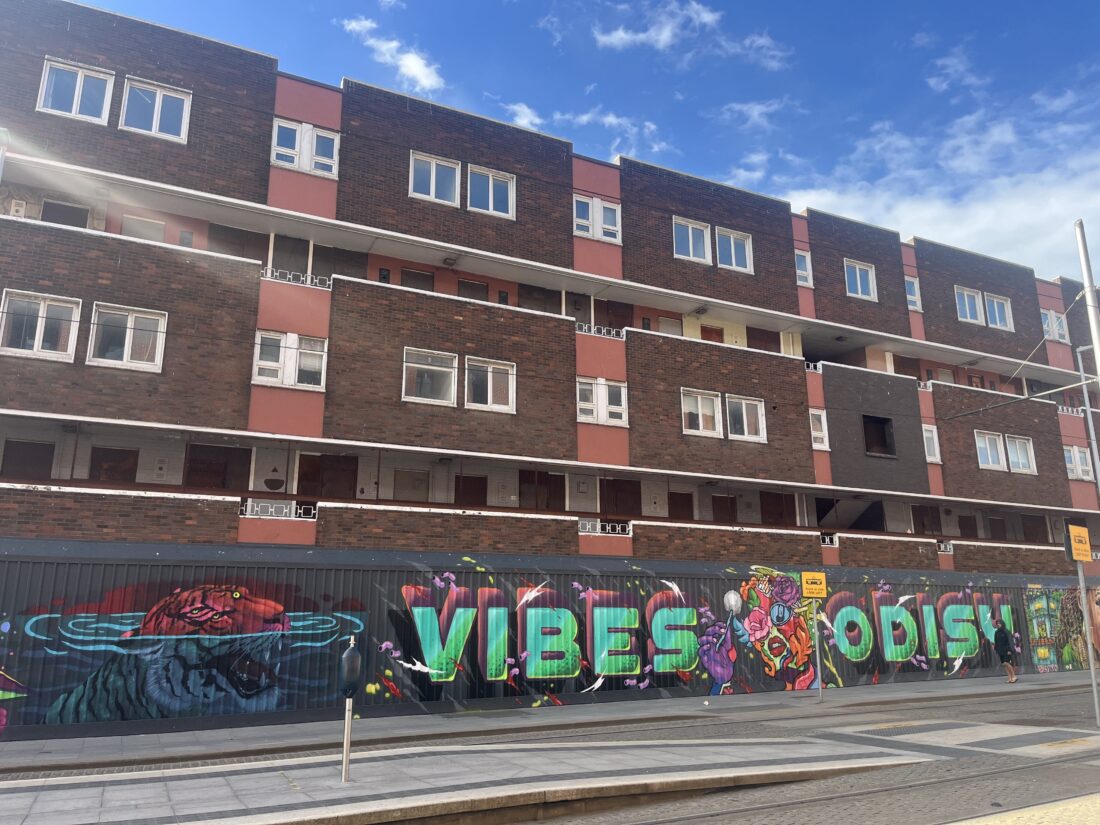
Partnering with Dublin
In February 2025, we began piloting the SFA approach with Dublin City Council (DCC), focusing on advancing circularity in Dublin’s built environment as part of its broader climate neutrality and housing ambitions.
Like many cities, Dublin faces a twin challenge: tackling a housing shortage while meeting ambitious climate goals – a 51% reduction in emissions by 2030 and reaching net zero by 2050. Cutting emissions from construction and promoting a circular economy are already central to its climate strategy, which recognises that “change as usual” will not deliver at the scale or speed required. The drive to meet housing needs in a circular way is especially relevant to DCC, since its housing unit targets are the highest of any local authority in Ireland and most new development in Dublin takes place on brownfield sites.
Together with DCC, we designed a two-phase project:
- Phase one: Map the system, test whether funding is a key barrier, and develop recommendations that address both financial and non-financial challenges.
- Phase two: Translate these recommendations into a portfolio of financial interventions that can catalyse new funding flows towards Dublin’s circular housing goals.
Phase one is now complete. Here is what we did and what we learned.
Our approach
We began by convening a cross-departmental group within DCC to co-create the project goal: develop circular economy practices across Dublin’s built environment to attract and incentivise funding, build capability and learning in DCC, foster community pride, and position DCC as a leader. This process alone started to build stronger connections across departments.
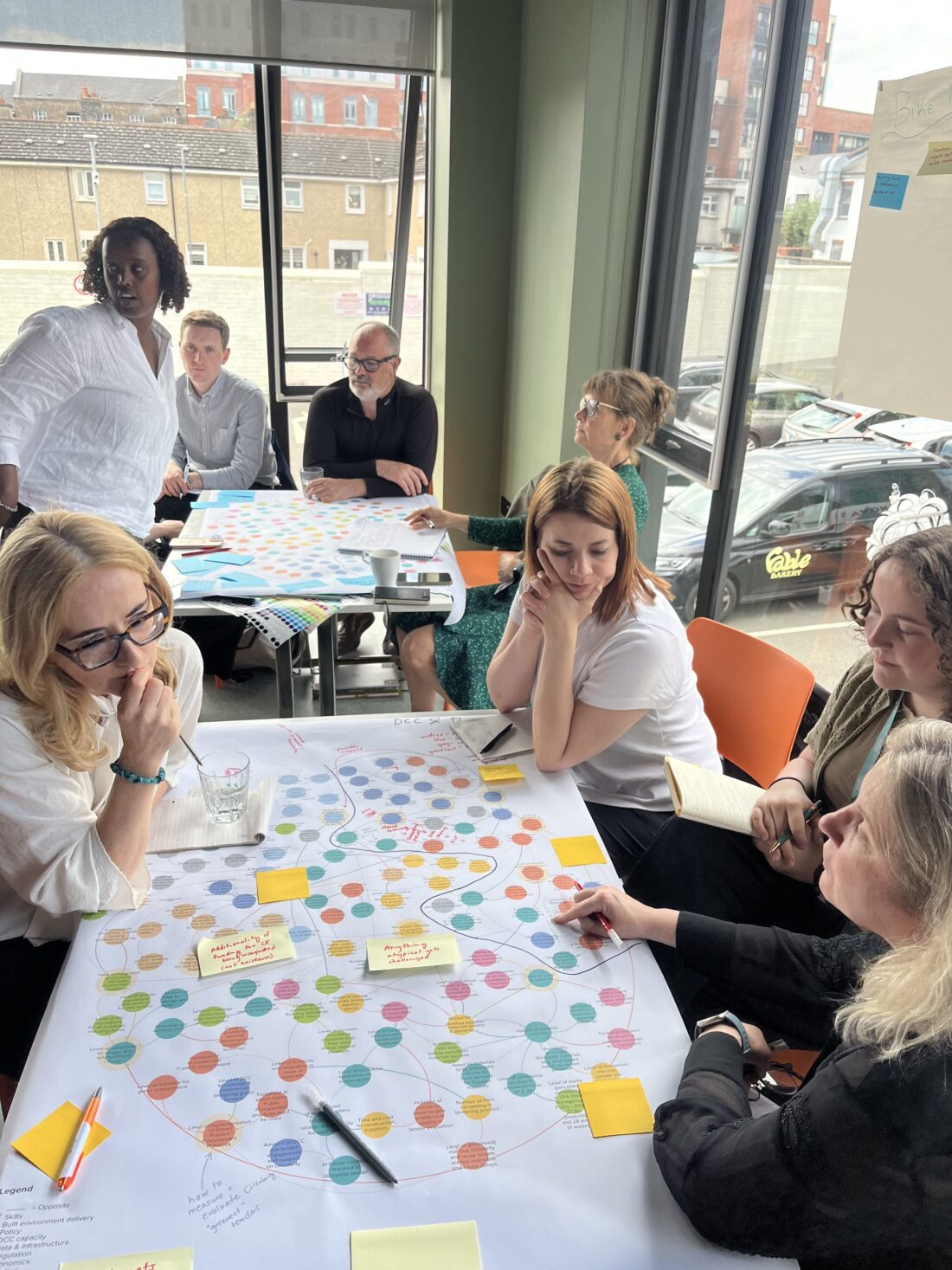
We used a research and systems mapping process to explore barriers and opportunities, both financial and otherwise, to circularity in Dublin’s built environment. Many of these barriers, as in other cities, are not just technical. They stem from underlying dynamics like relationships, processes, resource flows, and governance. Mapping these dynamics helped us see where interventions could change the system.
Over four months, we interviewed people across Ireland, reviewed over 100 documents, and held six workshops attended by more than 50 different participants. Together, we mapped the system, refined our analysis, and identified where DCC could intervene to create meaningful impact.
The barriers we uncovered included: siloed responsibilities, unclear mandates, inconsistent data, and rigid funding structures that hinder innovation. These challenges can’t be solved with a single policy or project – they require a systemic approach.
From CPI’s work with over 160 cities, we know these challenges aren’t unique to Dublin. Progress occurs when cities deliberately develop a shared vision across departments and stakeholders, connect short-term actions to long-term outcomes, and create the conditions for collaboration. This groundwork helps align priorities, coordinate funding, and build the collective ownership needed for systemic change.
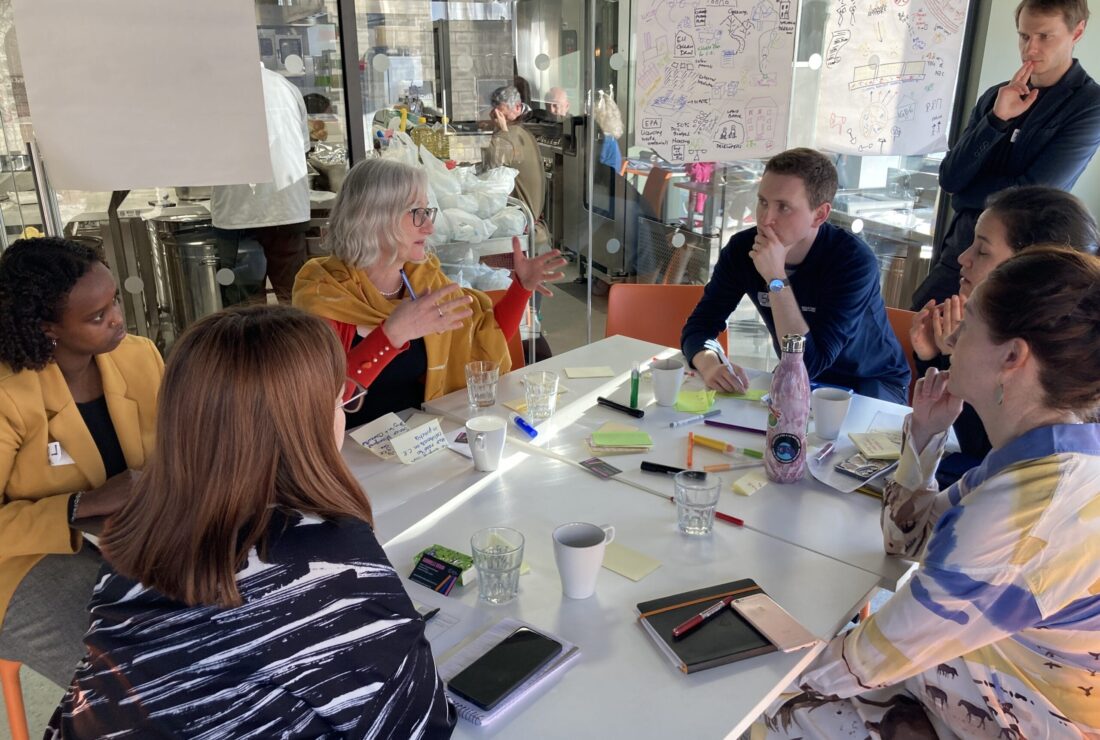
Our in-person workshops were the picture of famous Irish hospitality, with DCC setting us up in the meeting space of the amazing SPADE Enterprise Centre which had glass doors connecting us to the commercial kitchen. The kitchen provides valuable food preparation space to small local businesses. In between group activities we could watch our lunch being prepared and relish in the creative, busy environment!
Opportunities for impact
Circularity offers opportunities at every stage of the building lifecycle, from material choice and design to construction, operation, retrofit, deconstruction, and reuse. From our work with DCC, two areas stood out as most viable and impactful: deep retrofit and adaptive reuse.
As one interviewee put it: “The best way of reusing material … is to leave it exactly where it is in the building. So to reuse the entire building.” Importantly, optimising retention of existing structures also reduces the need to uproot communities, encourages investment in existing neighbourhoods and, with careful design, communication, and engagement, fosters community pride.
We developed a set of strategic, mutually reinforcing recommendations to increase adaptive reuse and deep retrofit, all of which were tested with DCC and external stakeholders. Our recommendations were grouped into three areas:
- Funding: how DCC can leverage its resources in a catalytic way
- Organisational capability: vision, coordination, and learning across departments
- Planning: embedding circularity earlier in decision-making
The funding dimension will be the focus of phase two.
What we’re learning
At every workshop, we asked participants the same set of learning questions to track their experiences with the project. Three clear themes emerged:
- Relationships: As with all of CPI and TCI’s work, we’re seeing the power of focusing on relationships. Many participants met colleagues in person for the first time, often saying, “It’s so nice to finally meet you!”. Connections grew over time, from small sparks to bigger commitments, like a local university offering training courses for DCC staff. Participants also reflected on the value of having CPI and TCI as external partners, who bring fresh perspectives and ask questions about the status quo. Together, these dynamics created momentum for collaboration and showed what’s possible when organisations work across boundaries.
- Complexity: As the process went on, reflections shifted. Later workshops demonstrated a growing recognition of the complexity and systemic nature of the challenge – how planning, finance, and organisational culture overlap, and how interventions in one area can ripple through the system. Many participants noted their understanding significantly broadened through the systems mapping work.
- Conditions: Participants also identified what would help circularity move from discussion into practice. It wasn’t a single solution, but a set of reinforcing conditions: brave, strategy-driven leadership, staff with the skills and resources to act collectively, shared language to connect efforts, and structures to sustain collaboration and share learning. Together, these elements form the organisational foundation for systemic change.
What’s next
In phase two, we are working with DCC to design a portfolio of strategic financial interventions that can steer more public and private capital toward advancing circularity in the built environment in Dublin. This is a truly experimental and innovative endeavour, and we can’t wait to see what we learn!
One insight already stands out for other cities: unlocking climate finance isn’t just about money. It’s about building the relationships, mindsets, information flows and organisational muscle to allow funding to move to where it’s needed in the system.
This kind of innovative experimentation makes us feel optimistic about thriving, climate-secure futures. If you’d like to discuss what we’ve done so far, or explore how we can support your city on a similar journey, please reach out to the team. Otherwise, stay tuned for the next blog in the series, where we’ll share how Dublin has applied the SFA approach and lessons other cities can draw on.
About the TransCap Initiative (TCI)
TCI is a non-profit open innovation initiative working to develop, test and scale systemic investing. We do this through research and conceptual development, prototyping and field building. We’re powered by a diverse, international, and ambitious community, and collaborate with wealth owners, institutional investors, foundations, financial intermediaries, researchers, public-sector bodies, and other innovators. Learn more on our website.