Public services are complex. People experience support through relationships, systems, and multiple services at once, but many evaluations still measure impact in isolation.
At the Centre for Public Impact, we take a different approach. We design people-centred evaluations that help governments and public services better understand impact, improve delivery, and learn in real time.
Our approach combines storytelling, systems thinking, and participatory design to explore:
- What changed
- For whom
- Why it mattered
- What conditions made change possible
Why conventional evaluation misses what matters
Many evaluations look for clear, linear results. But public challenges are often relational, interconnected, and shaped by wider systems.
Outcomes like trust, belonging, confidence, and coordination across services are difficult to capture through standard metrics alone, meaning organisations can miss critical insights into how change actually happens.
We believe evaluation should help systems learn and adapt by:
- Centring lived experience
- Understanding how services interact
- Combining qualitative and quantitative evidence
- Creating learning that informs better decisions
Learning from lived experience
At the heart of our approach is the belief that the people closest to a service are best placed to help define what impact looks like.
Our work can include:
- Storytelling interviews
- Journey mapping
- Peer-led research
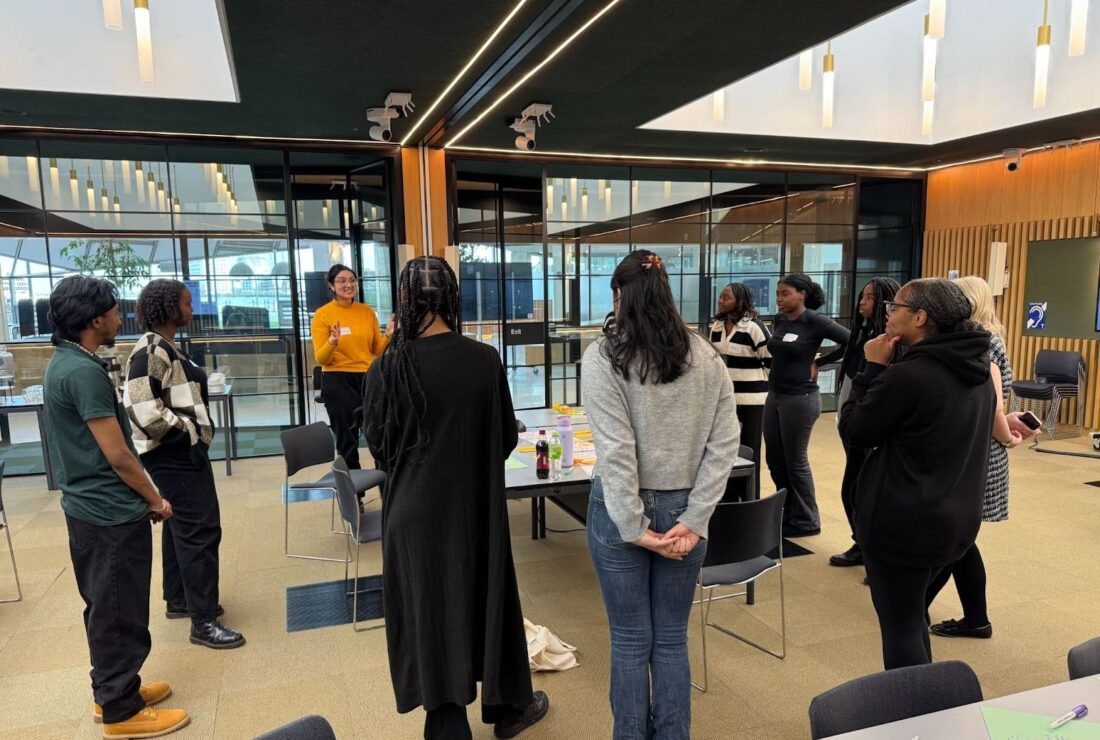
- Participatory workshops
- Systems mapping
- Collaborative sensemaking
Evidence is interpreted alongside the people closest to the work, helping organisations better understand how change unfolds across relationships and systems over time.
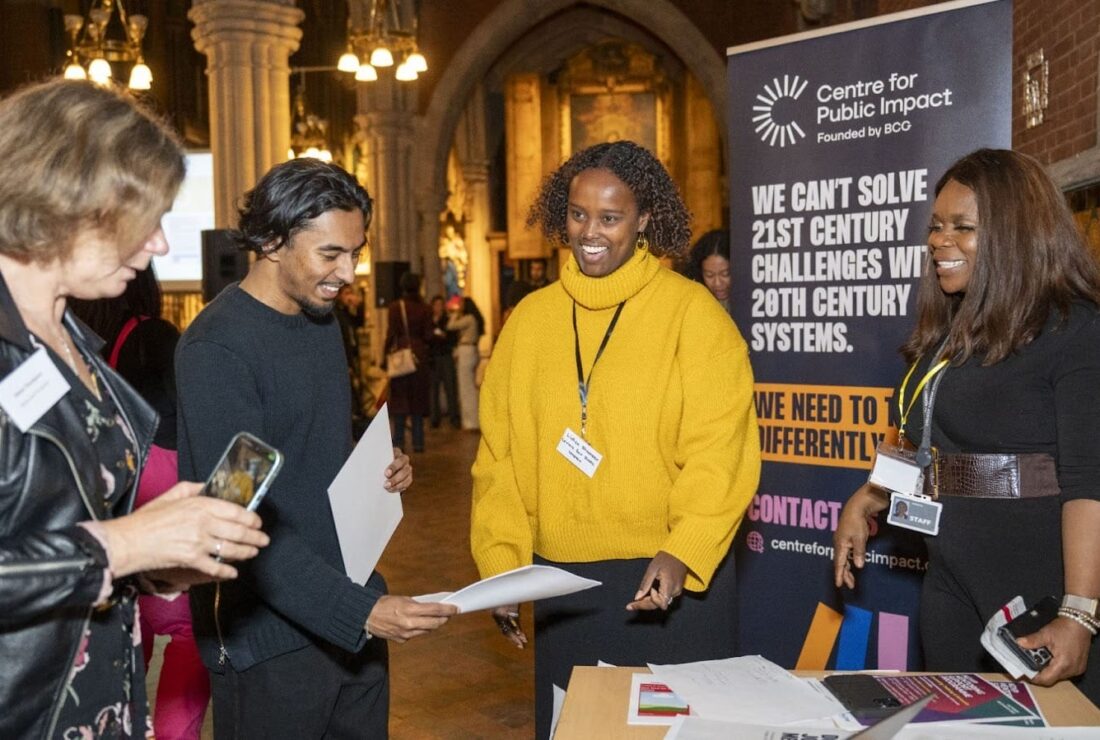
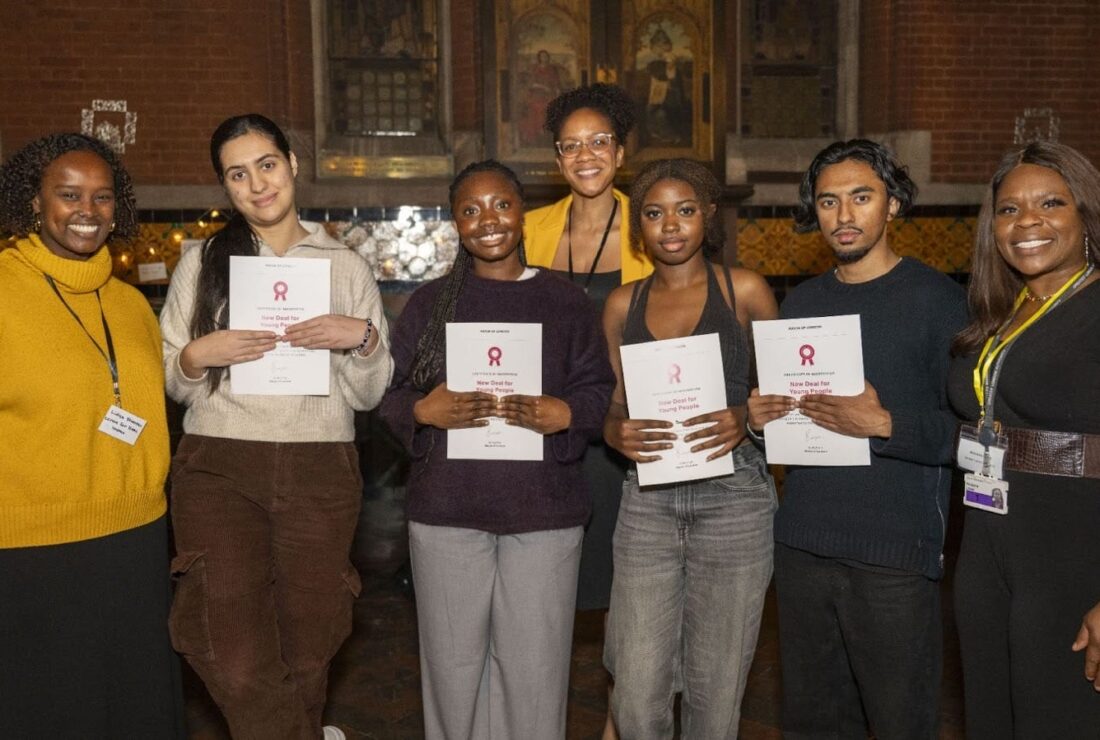
In practice: Evaluating mentoring across London
One example of this approach is our partnership with the Greater London Authority to evaluate mentoring programmes funded through the £34 million New Deal for Young People.
Through storytelling interviews, peer-led research, journey mapping, and collaborative workshops, the evaluation explored how mentoring contributes to wellbeing, confidence, belonging, and opportunity within the wider network of relationships and services shaping young people’s lives.
This revealed insights that conventional evaluations often overlook, including the relational foundations of mentoring and how change unfolds over time.
Explore the mentoring evaluation resources
Storytelling Toolkit for Impact Evaluation
A practical toolkit for governments, public services, funders, and community organisations looking to strengthen monitoring, learning, and evaluation through storytelling approaches.
Includes step-by-step guidance for Story Circles, Journey Mapping, and Most Significant Change.
Additional resources
Ready to reimagine evaluation?
We partner with governments and public services to design evaluations that generate learning, strengthen practice, and better reflect how change happens in people’s lives.
If you’re exploring more participatory, systems-informed, or people-centred approaches to evaluation, get in touch to explore how we can support your work.


